da carmelodigesaro.org
Il rinnovo di una promessa di una vera rivoluzione dell’inclusione culturale passa dal manuale dell’audiodescrizione dell’autrice
 Mettiamo subito in chiaro una cosa: saper descrivere è una competenza e, come molte competenze umane, può essere studiata, esercitata e valutata. Non è soltanto una questione di talento o di sensibilità individuale: si fonda anche sull’esperienza, sulla pratica costante e sull’applicazione di metodi specifici. Certo, forse per acquisirla non basta una semplice guida. Eppure, attraverso lo studio e l’utilizzo di tecniche precise, è possibile sviluppare sensibilmente la capacità di costruire descrizioni efficaci, chiare e comprensibili. È in questa prospettiva che si inserisce L’arte di descrivere. Manuale di audiodescrizione cinetelevisiva (Editoriale Artemide, collana Manuali), l’opera firmata da Laura Giordani. Un manuale dalla chiara impostazione universitaria, che offre strumenti fondamentali per comprendere e affinare l’arte della descrizione, con particolare attenzione alle esigenze delle persone cieche e ipovedenti. Non è un caso che Laura Giordani scelga la parola arte. C’è, in questo termine, qualcosa che richiama il lavoro artigianale, fatto di esercizio, tecnica e cura, ma anche qualcosa che va oltre: l’estro, l’intelligenza, la sensibilità di chi quel lavoro lo svolge. Perché descrivere non significa semplicemente mettere in fila delle informazioni o raccontare ciò che si ha davanti. Significa saper guardare, cogliere quei dettagli che a volte sfuggono, quelle sfumature che fanno la differenza, e trovare le parole giuste per restituirle a chi ascolta o legge.
Ricordate il film Infelici e contenti, con Ezio Greggio e Renato Pozzetto? Il personaggio interpretato da Greggio, cieco, chiede all’amico Pozzetto, che si muove in carrozzina, di descrivergli il panorama che li circonda. La risposta si limita a un elenco di elementi: case, palazzi, finestre, balconi. Ecco, è proprio qui che emerge la differenza tra elencare e descrivere, tra fornire una veloce conclusione alla scena o renderla essenziale a chi non può vederla. Il primo gesto, semplice, poco riflessivo, immaturo identifica ciò che è presente; il secondo, quello necessario, cerca di restituire un’immagine, di renderla viva e comprensibile anche a chi non può vederla. Entrano così in gioco la sensibilità, le emozioni e quella forma di intelligenza creativa che permette di trasformare un’immagine in parole. E, allo stesso tempo, di fare il percorso inverso: partire dalle parole per ricostruire una scena, renderla viva e comprensibile anche a chi non vede o ha una capacità visiva ridotta.
Per spiegarmi meglio, vorrei partire da un punto fermo: non bisogna mai pensare che una persona cieca o con una grave disabilità visiva sia meno capace di comprendere una scena, di interpretarla o di coglierne il significato. Il punto non è la capacità di capire, ma il modo in cui le informazioni vengono trasmesse. In un film, così come in un’immagine più in generale, esistono elementi che passano esclusivamente attraverso la vista. Pensiamo a un dialogo di sguardi tra due personaggi o a un panorama fotografato: dettagli che possono rivelarsi essenziali per comprendere una situazione, ma che necessitano di una descrizione accurata per essere restituiti a chi non può percepirli visivamente.
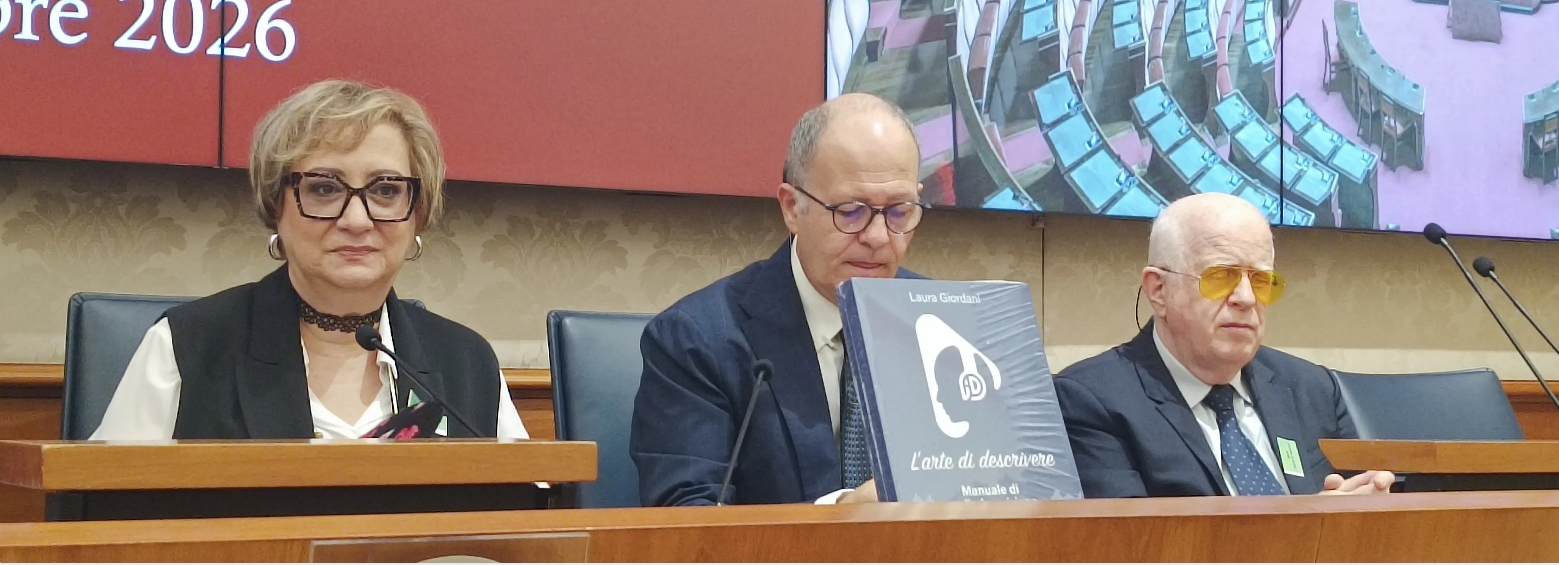
È qui che bisogna andare oltre ciò che si vede, cercare di capire che cosa conta davvero in una scena e che cosa merita di essere raccontato. Per farlo, la tecnica da sola non basta: servono intuizione, sensibilità e quella capacità di entrare, almeno un po’, dentro ciò che si osserva. Perché descrivere non significa limitarsi a dire che cosa compare sullo schermo, ma mettere insieme gli elementi, coglierne il senso e trovare le parole giuste per restituirlo a chi ascolta. Questo intuito può essere affinato e allenato attraverso tecniche specifiche, come quelle che Laura Giordani illustra nel suo manuale. Ma resta, almeno allo stato attuale, una componente profondamente umana e personale: quella sensibilità che consente di riconoscere ciò che conta davvero e di trovare le parole giuste per restituirlo agli altri. Ed è proprio qui che la questione smette di essere soltanto tecnica e diventa culturale, prima ancora che politica. Perché riconoscere il valore dell’audiodescrizione significa anche interrogarsi sulla qualità di quella che viene effettivamente offerta e sulle condizioni che ne garantiscono la realizzazione. Un conto è prevedere l’accessibilità sulla carta, un altro è assicurarsi che funzioni davvero. Quello che ai più potrebbe apparire come un fatto scontato, avvalorato da leggi e parole sempre più abusate, è un tema che, in realtà, deve ancora essere realmente approfondito e dibattuto. Sì, perché tutti diamo per scontato che, laddove esista una disabilità, lo Stato sia già intervenuto con norme capaci di tutelare i diritti di chi la vive e che gli attori della filiera si siano adeguati. Tuttavia, ancora oggi, il tema dell’accesso alla cultura rimane confinato nell’alveo delle promesse. Non bastano, infatti, norme più o meno ben articolate. Quando si parla di diffusione capillare dell’accessibilità culturale, la domanda è chiara, ma la risposta non è mai scontata. Oppure, se una risposta c’è, è quasi sempre quella sbagliata: una soluzione di facciata, dettata più dalla necessità di adempiere a un obbligo che dalla volontà di garantire un accesso realmente fruibile. È proprio dalla riflessione di Laura Giordani che possiamo partire per comprendere la distanza tra il riconoscimento teorico dell’accessibilità e la sua concreta realizzazione. L’occasione è stata la presentazione del suo manuale, avvenuta il 9 ottobre presso la Sala Nassirya di Palazzo Madama, al Senato della Repubblica. Un incontro che si è svolto al riparo dalla pioggia battente che ha messo in difficoltà Roma e, soprattutto, noi ospiti dell’evento, rimasti per una ventina di minuti all’esterno a prendere letteralmente secchiate d’acqua, in attesa di superare i rigidi controlli istituzionali.
«L’audiodescrizione», esordisce l’autrice, «non deve essere considerata un’appendice o una semplice nota a margine, ma una vera e propria forma autonoma di accessibilità culturale. L’audiodescrittore, a sua volta, deve saper scrivere in perfetto italiano e conoscere il linguaggio cinematografico, per restituire al fruitore finale ciò che il regista ha voluto comunicare».
Con queste parole, Laura Giordani sintetizza il cuore del proprio approccio.
Ecco: quando parliamo di audiodescrizione ci troviamo di fronte a due principi fondamentali, che rappresentano al tempo stesso la base e il cuore del lavoro: la padronanza della lingua e la conoscenza del linguaggio cinematografico. Principi che, troppo spesso, rischiano di essere trascurati da chi affronta questa professione con la classica attitudine di chi pensa che, in fondo, possa occuparsene anche il cugino di turno. mAudiodescrivere è innanzitutto un mestiere, un’arte, un’espressione artistica e umana come recita il titolo del volume. E, proprio in quanto tale, non può essere ridotta all’automazione digitale né al rigido rispetto di una norma per garantirsi un guadagno. La tecnologia può offrire strumenti preziosi, ma non sostituisce automaticamente le competenze necessarie per realizzare un lavoro di qualità. Sembra una differenza sottile, se non invisibile, ma così non è.
Mi spiego meglio. Come forse non tutti sanno, nell’ambito della legge sul cinema n. 220/2016 e dei successivi decreti attuativi del Ministero della Cultura, determinate misure di sostegno alla produzione cinematografica prevedono requisiti legati all’accessibilità delle opere, tra cui l’audiodescrizione. Il punto, però, è un altro: quali verifiche vengono effettuate sulla qualità del lavoro realizzato? E sono sufficienti a garantire un risultato all’altezza delle esigenze di chi ne usufruirà? Il rispetto di un requisito formale, infatti, non garantisce di per sé la qualità del prodotto. Un’audiodescrizione può esistere, essere stata realizzata e risultare comunque inadeguata, superficiale o persino imbarazzante. In questi casi, a rimetterci non è soltanto la qualità del servizio, ma soprattutto chi vorrebbe godersi un’opera e si ritrova, invece, con uno strumento che non lo aiuta a comprenderla, che non gli restituisce ciò che accade sullo schermo e che, in alcuni casi, rischia persino di stravolgerne il significato. Ecco perché non basta chiedersi se gli obblighi previsti dalla normativa vengano rispettati. Bisogna anche capire come viene valutato il lavoro di chi realizza le descrizioni e, soprattutto, se i controlli previsti siano davvero in grado di tutelare chi quel servizio lo utilizza. Perché, alla fine, è proprio da lì che bisogna partire: dall’esperienza di chi dovrebbe poter accedere all’opera e comprenderla senza che qualcosa, nel percorso, ne comprometta il senso.
Se l’accessibilità è un diritto, la qualità degli strumenti che la rendono possibile non può essere considerata un dettaglio secondario. Fin qui, ovviamente, non sto scoprendo l’acqua calda e probabilmente non sto aggiungendo nulla di nuovo al dibattito. In Italia, ma credo non soltanto da noi, quando ci sono fondi pubblici da assegnare, sembra spesso prevalere una regola non scritta: se le carte appattano, cioè sono in ordine, difficilmente qualcuno si preoccupa di andare a vedere che cosa sia stato fatto davvero sul campo. Quindi, evitando ulteriori luoghi comuni, disquisizioni sterili e banalizzazioni sul tema, L’arte di descrivere si inserisce perfettamente in questo solco, tra gli adempimenti formali e la necessità di garantire un’accessibilità concreta, offrendo strumenti per realizzare audiodescrizioni efficaci e valorizzare quella componente umana di cui quest’arte non può fare a meno. Con il suo lavoro, Laura Giordani mette a disposizione strumenti utili tanto a chi realizza le audiodescrizioni quanto a chi è chiamato a valutarle. Il manuale offre criteri e indicazioni per comprendere che cosa renda valido un testo audiodescrittivo, andando oltre il semplice rispetto di un requisito formale. Perché un’audiodescrizione non deve limitarsi a esistere: deve essere capace di restituire il significato di un’opera, rispettandone il linguaggio e rendendola accessibile a chi non può fruirne attraverso la vista.
Piccola nota a margine: all’interno del manuale, pagina 321, troverete un breve capitolo scritto da me e la collega e amica Francesca Ferraro, sul ruolo del Libro Parlato in questa battaglia culturale.

 All’appuntamento interverranno anche l’Assessore all’Agricoltura, Ambiente e Ciclo dei Rifiuti di Roma Capitale Sabrina Alfonsi e il Presidente della Commissione Bilancio Lorenzo Marinone.